
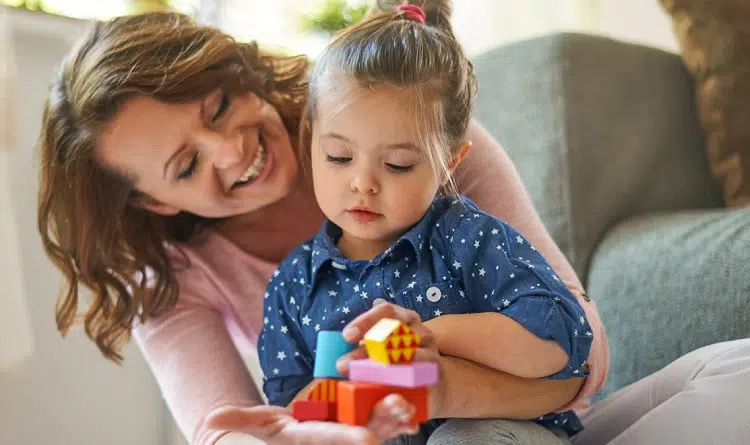
Waiting for a preferred object—such as a snack, a favorite toy, or a mobile device—can be especially challenging for children with special needs. When something they want is not immediately available, children may feel frustrated, confused, or overwhelmed. This is not misbehavior—waiting is a skill that needs to be taught patiently and intentionally.
Start With a Few Seconds
Begin by teaching waiting for just a few seconds (2–5 seconds).
- Show the child the snack, toy, or device
- Use a clear and consistent cue like “Wait”
- Keep the wait short to ensure success
Starting small helps the child understand what waiting means without causing distress.
Use a Clear Visual Timer
Many children respond better to visual information than verbal instructions. A visual timer helps make waiting predictable and easier to understand.
A visual timer:
- Shows how long the wait will last
- Reduces anxiety by giving a clear end point
- Supports emotional regulation during waiting
Simple phrases such as “Wait until the timer finishes” can be very effective. This structured approach is commonly used during intervention programs at Omega Center For People With Disabilities to support skill development.
Increase Waiting Time Gradually
Once the child can successfully wait for a few seconds, slowly increase the waiting time.
- Increase in small steps (5 seconds → 10 seconds → 15 seconds)
- Move forward only when the child is comfortable
- If the child struggles, reduce the wait time and try again
Progress should always be based on the child’s readiness.
Reinforce Success With Positive Feedback
Positive reinforcement plays a key role in teaching waiting.
- Offer verbal praise such as “Great waiting!”
- Use smiles, claps, or small rewards
- Acknowledge every successful attempt
Celebrating small achievements is an important part of building confidence and motivation.
Be Consistent and Patient
Learning to wait takes time, especially when a child strongly desires an object. Consistency, calm responses, and encouragement help children feel safe and supported.
With short wait times, visual supports, gradual increases, and positive feedback, children can learn to wait successfully—and carry this important life skill into everyday situations.